
 🚀 Vibe Coding for Scientists
Build Scientific Apps Without Traditional Coding
Empowering scientists to rapidly explore, analyze, and share data
Transform from prompting ChatGPT to building effective data science applications using AI-assisted workflows. Go from idea to working application in hours, not weeks. (Production deployment requires additional AI Engineering skills)
Start Learning →Who Am I?
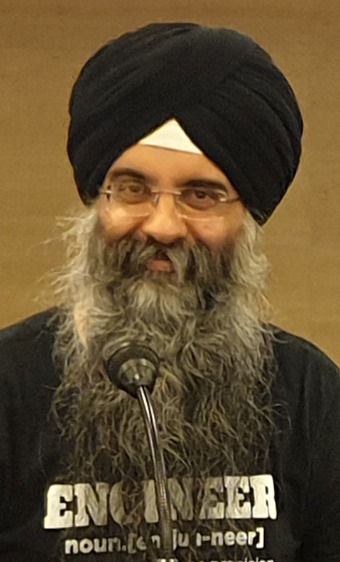
Dr Raminderpal Singh - Engineer at heart with a focus on applying engineering thinking to drug discovery analytics. Especially interested in the intersection of drug discovery data, LLM processing, and real-world workflows.
Current Focus
- Write LLM-focused apps for drug discovery
- Apps for data scientists & wet lab scientists
- Bridging computational and experimental workflows
Leadership Roles
- Global Head of AI & GenAI Practice, 20/15 Visioneers
- Founder, HitchhikersAI grassroots community
What People Are Saying
"Raminderpal, you really have a gift for this kind of teaching, and I think your time was well spent with the Broad crowd - they're quite likely to adopt the tools, teach their future labs, and spread the word!"
"This was an exceptionally useful introduction to vibe coding. Your portal is the missing manual that can get people going in one weekend!"
— Dr Anne Carpenter
Senior Director, Broad Institute at Harvard & MIT
Scientific and Technical Advisory Board Member, Recursion Pharmaceuticals
Why Vibe Coding?
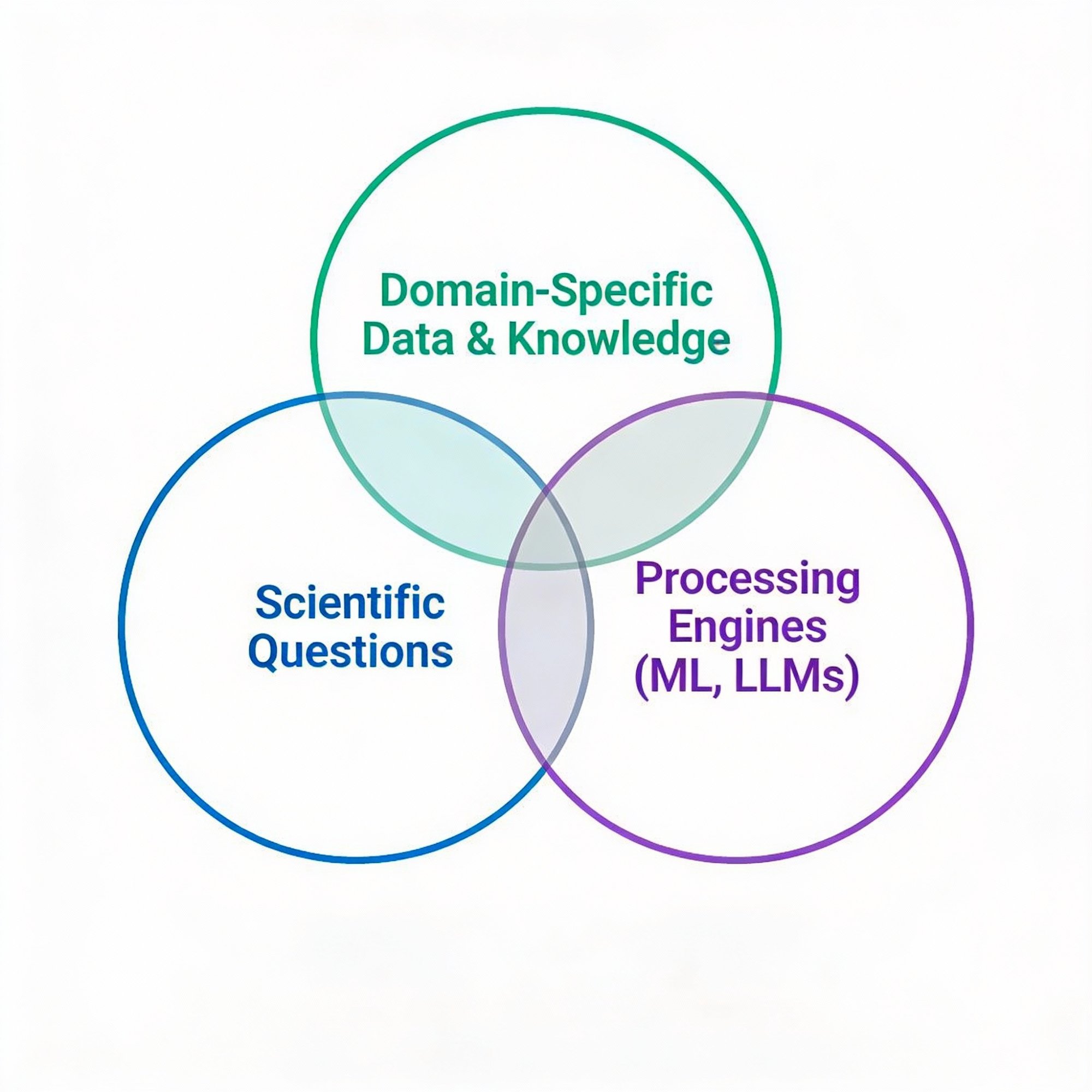
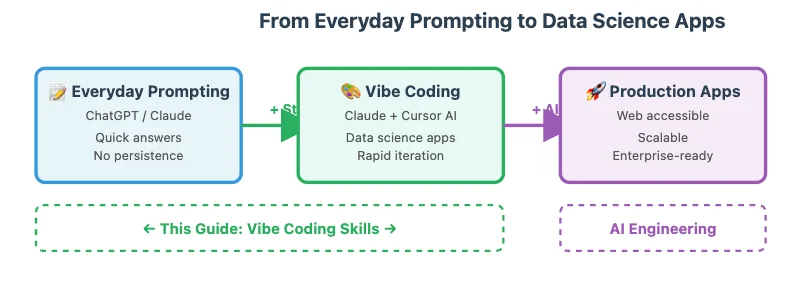
Vibe coding takes everyday prompting with ChatGPT/Claude and adds structure and workflow to create effective data science applications. Rapidly explore, analyze, and share data at minimal cost. (Production deployment with scalability, security, and enterprise features requires additional AI Engineering skills)
This vibe coding method focuses on this intersection
Rapid Development
Go from concept to working data science application in hours. Build tools for data exploration, analysis pipelines, and interactive dashboards for research and discovery.
Low Cost
Free or low-cost tools (Claude, Cursor AI, Vercel). No expensive enterprise software. Perfect for academic labs and small biotech teams with limited budgets.
Scientist-Friendly
Focus on scientific logic, not programming syntax. Describe what you want in plain English. AI handles the implementation details and code generation.
Example: Cell Confluence Analyzer
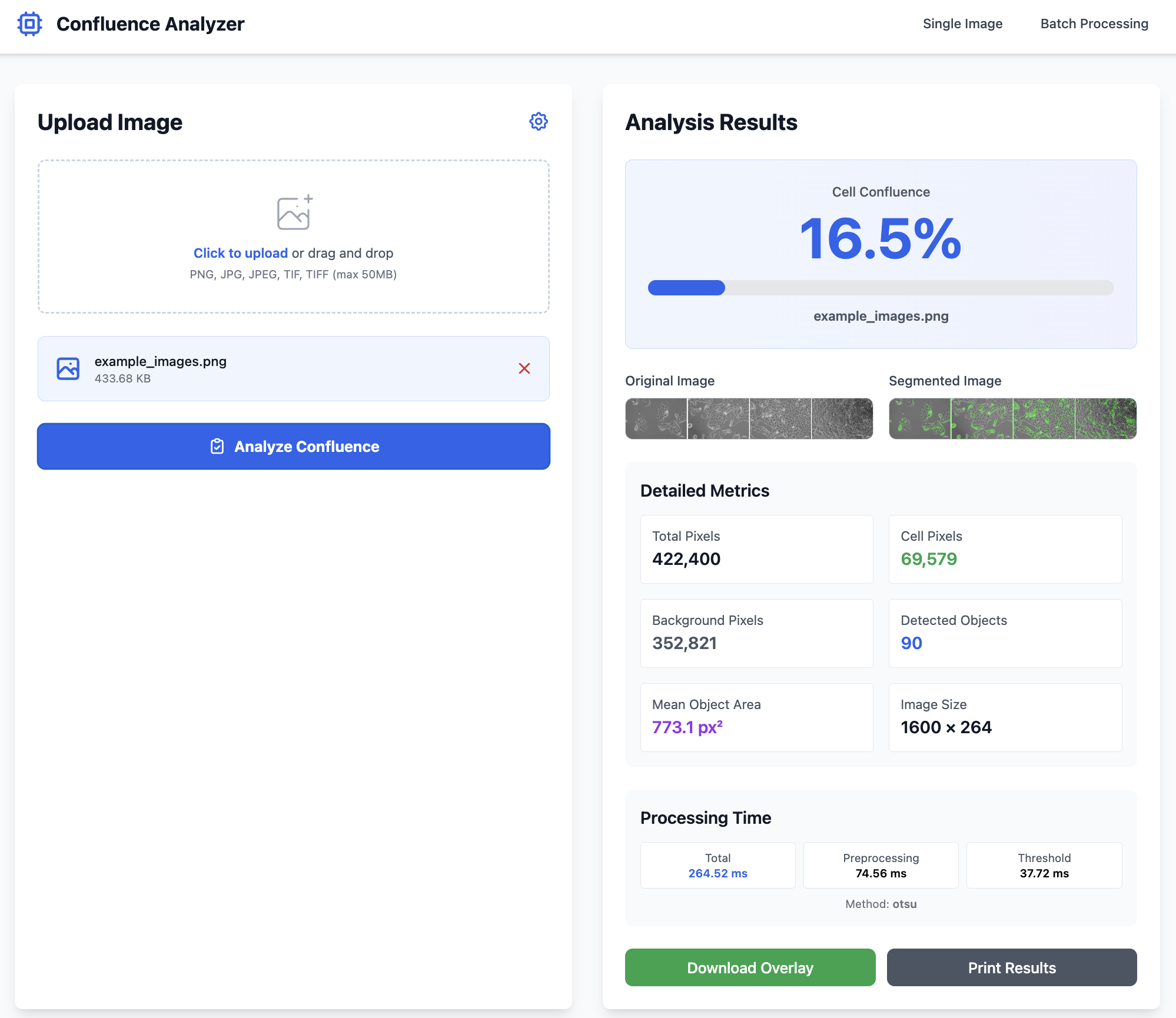
A real data science application built using vibe coding. Upload cell microscopy images and get confluence percentage analysis with visual overlays. Built in ~2 hours using the workflow below. Runs locally at http://localhost:8000 (optional deployment guide included).
Simple English Workflow
Describe to Claude
"Create an app that measures cell confluence from microscopy images using established Thermo Fisher methodology."
Claude Designs
Claude provides UI mockups, data flow diagrams, and architecture recommendations. No code yet—just design artifacts.
Cursor Implements
Give Claude's designs to Cursor AI. It generates the complete FastAPI application with image processing logic.
Test & Iterate
Run locally at localhost:8000, test with real images, iterate on features. Optional: Deploy to Vercel to share with colleagues.
Application Output
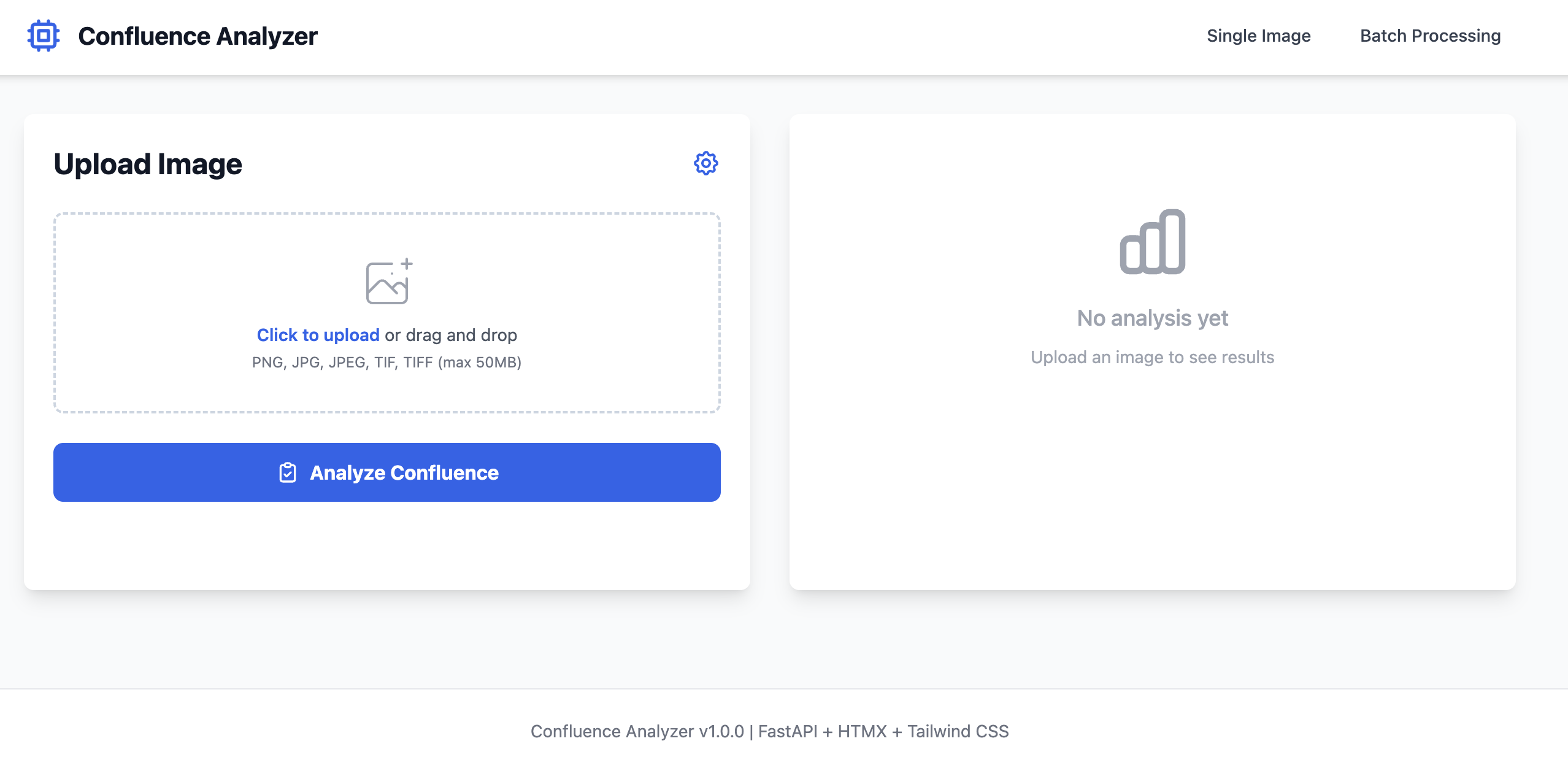
Upload image → Get confluence percentage + visual overlay
Example Input Images

Upload Interface
Analysis Results
What You Get
FastAPI data science app
Image processing pipeline
Local web interface
Optional: Deployment guide included for sharing with colleagues
Watch It Being Built
See the complete build process for the Confluence Assessment demo. This unedited recording shows the actual workflow—Claude generates designs, Cursor writes code, bugs get fixed, features get refined. Watch a working data science application come together from scratch.
▶ Watch the Build ProcessReady to Start Building?
Follow the complete guide to build your first vibe-coded data science application. No prior programming experience required.
Access the Full Guide →